

Advanced CNC Pipe Profiling & Cutting Machines for Structural Steel, Offshore & Industrial Fabrication
The HGG SPC Series delivers precision CNC pipe cutting and advanced 3D profiling capabilities for a wide range of structural steel, industrial piping, and offshore fabrication applications. Available in versatile standard and heavy-duty configurations, the SPC Series processes pipes from 2″ up to 118″ in diameter, depending on the selected model. Combining automated plasma and oxy-fuel cutting, complex beveling, intelligent CAD/CAM integration, and advanced material handling, these machines help fabricators increase production efficiency, minimize material waste, and produce accurately profiled, weld-ready pipe components.
The HGG SPC Series is a comprehensive range of CNC pipe profiling and cutting machines engineered for fabricators that require precision, flexibility, and reliable performance across a broad range of pipe sizes and material specifications. From structural steel fabrication and industrial piping to offshore construction and large-diameter vessel components, the SPC Series automates complex cutting operations while reducing manual layout, grinding, and weld preparation.
The SPC 500–1200 PT models provide versatile pipe cutting capabilities for smaller to medium-diameter applications, accommodating pipes from 2″ up to 48″ in diameter depending on the model. Designed for accuracy and efficient material utilization, these machines offer advanced pipe positioning, automated cutting routines, and flexible configurations to meet diverse production requirements.
For larger and heavier applications, the SPC 1500–4000 PT models expand cutting capacity to pipes up to approximately 118″ in diameter, with material handling capacities reaching 60 metric tons on select configurations. These heavy-duty systems are ideal for offshore structures, large industrial piping, energy projects, and demanding steel fabrication environments.
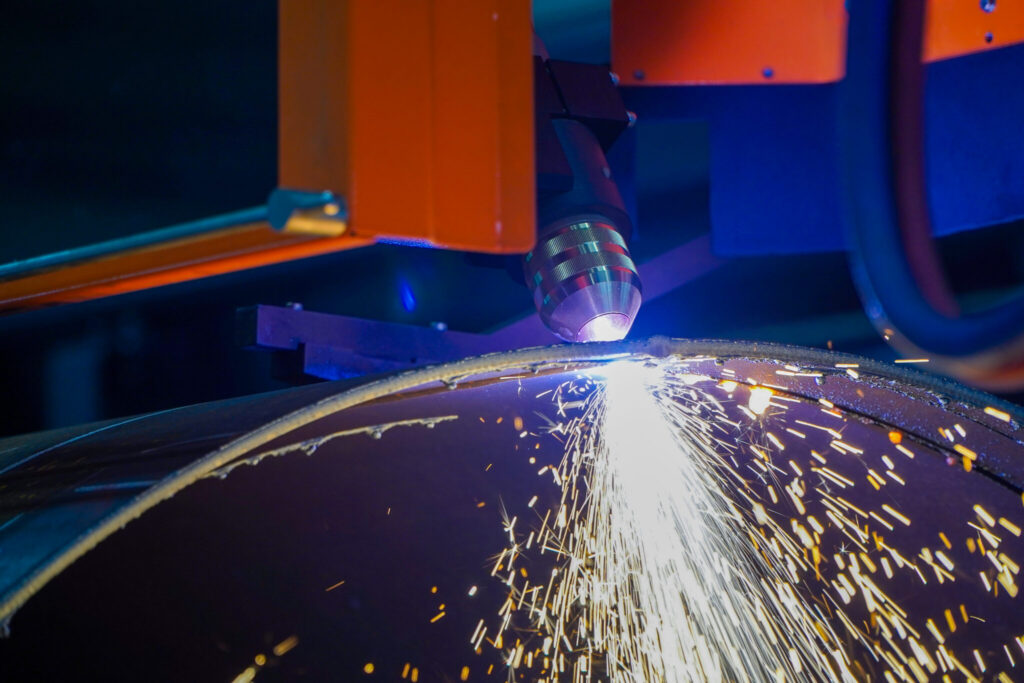
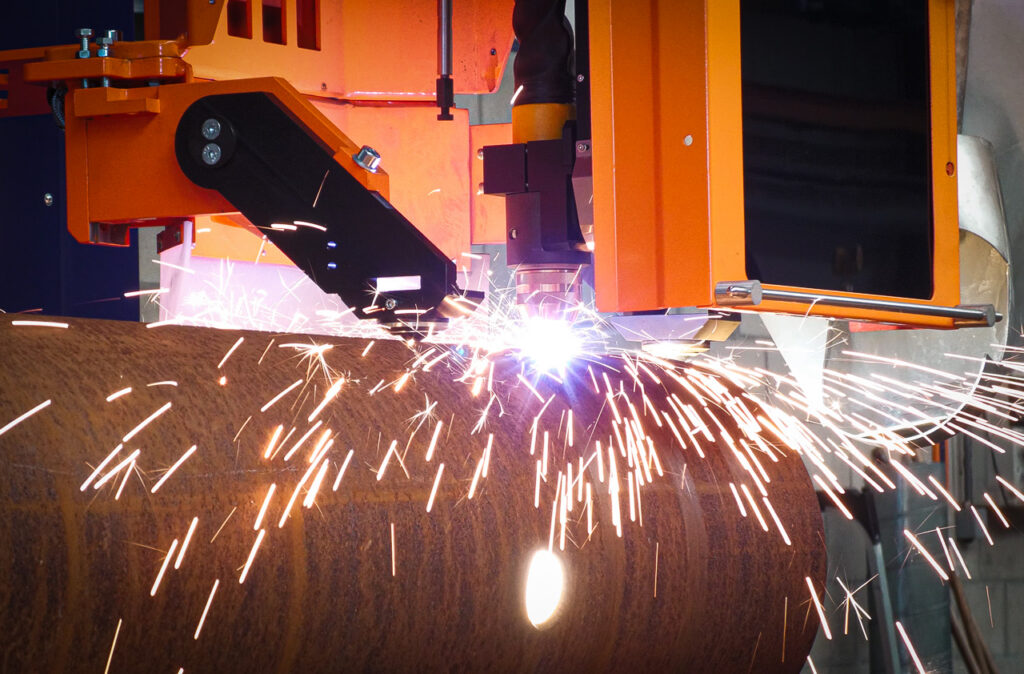
The SPC Series combines plasma and oxy-fuel cutting technologies with advanced 3D profiling to produce precise pipe intersections, branch connections, bevels, and complex weld preparations. Available marking systems, intelligent nesting, and CAD/CAM software integration further streamline production while improving consistency between digital designs and finished components.
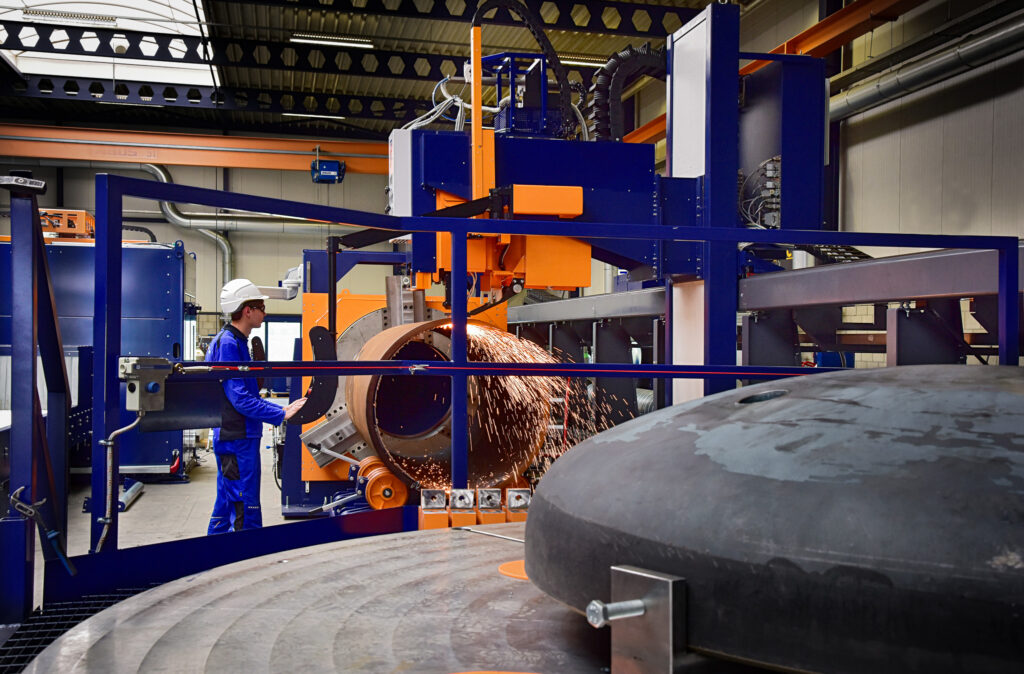
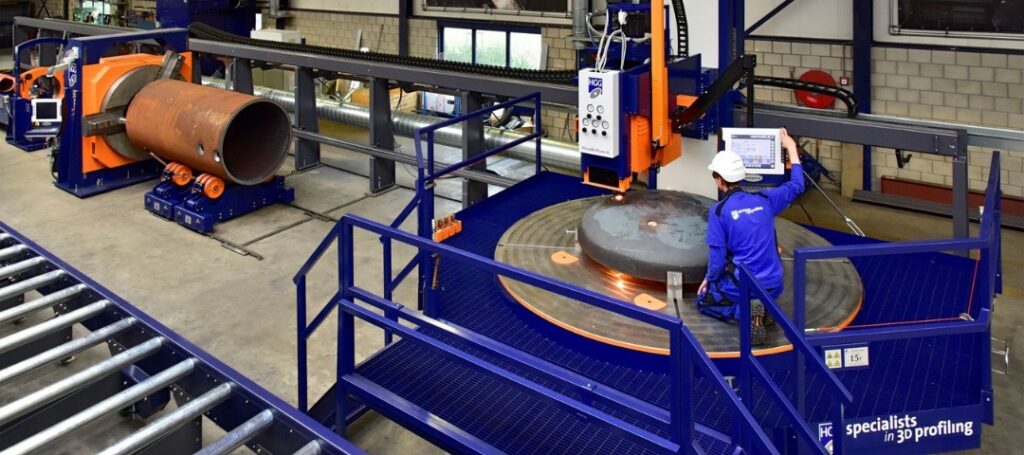
Specialized SPC vessel cutting configurations extend these capabilities to pressure vessel manufacturing, enabling automated cutting of vessel shells, heads, nozzles, reinforcement pads, and other complex geometries.
With configurable cutting systems, material handling solutions, and software capabilities, the SPC Series provides a scalable solution for fabricators looking to increase throughput, improve cutting quality, and reduce labor-intensive production processes.
Advanced CNC Pipe Profiling & 3D Cutting
Processes round pipes from 2″ up to 160″ in diameter, depending on model
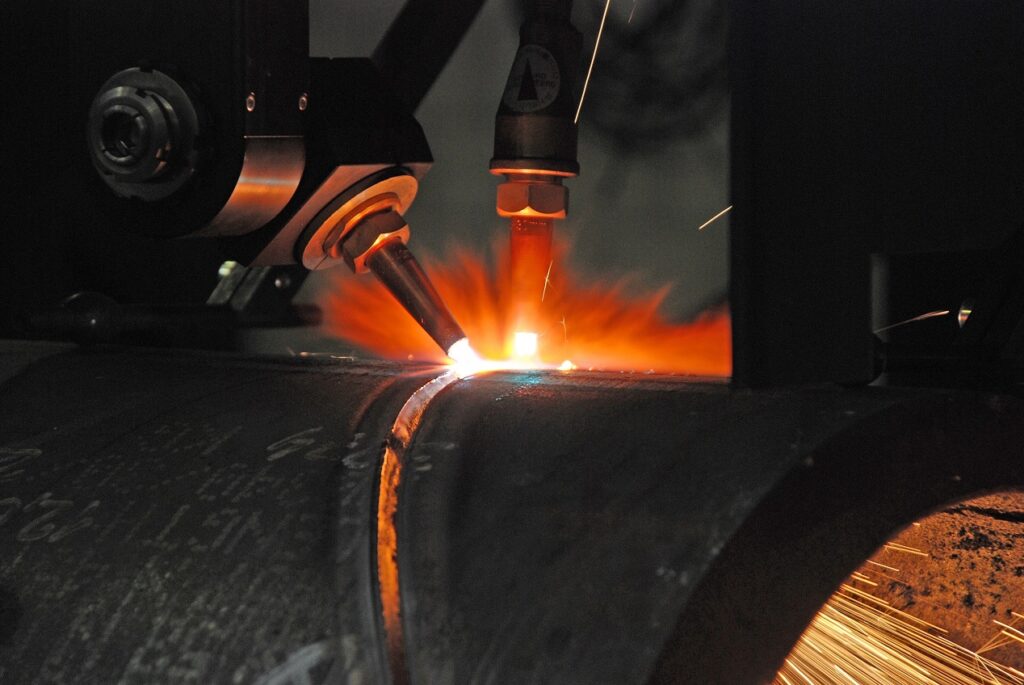
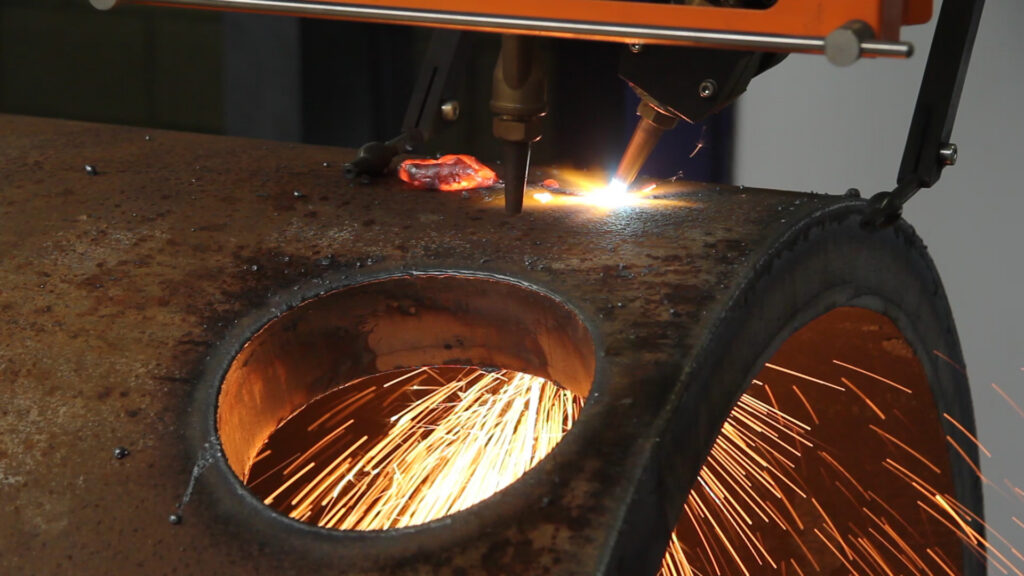
Performs complex saddle cuts, intersections, holes, and weld preparations
Supports structural steel, offshore, process piping, and industrial applications
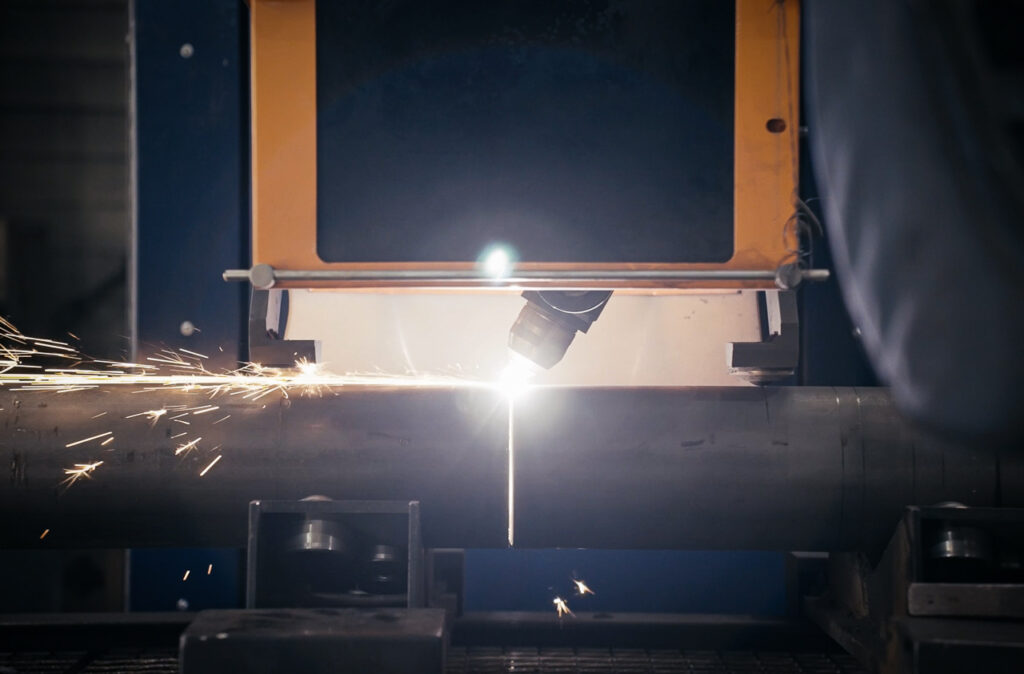
High-Definition Plasma & Oxy-Fuel Cutting
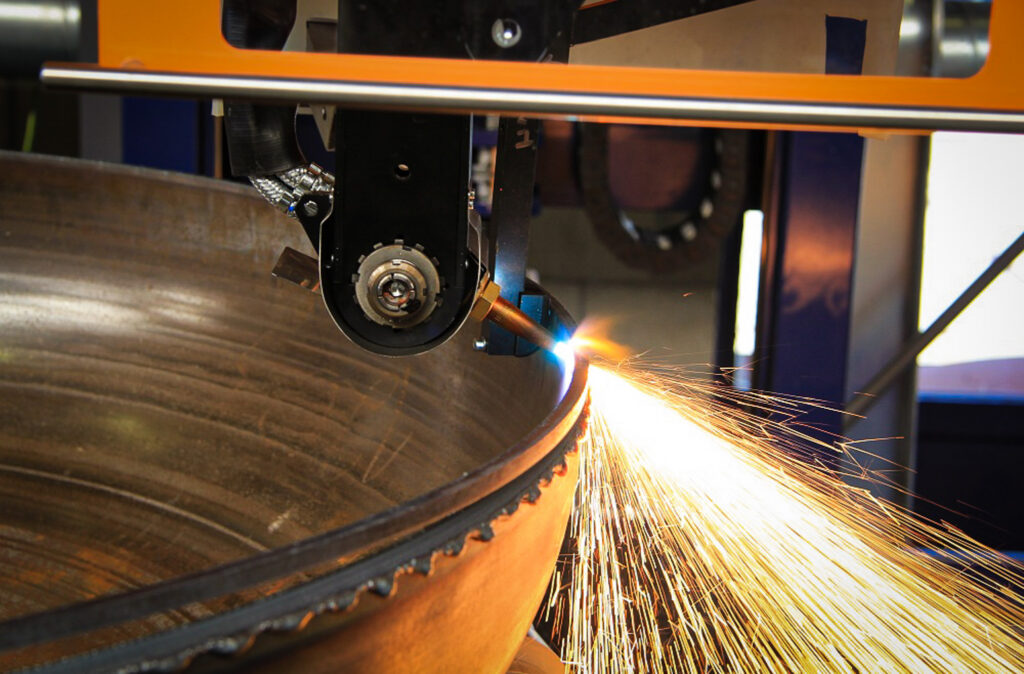
Supports plasma and oxy-fuel cutting technologies
Compatible with Hypertherm and Kjellberg plasma power sources
Handles demanding cutting geometries and thick-wall applications
Precision Biaxial Cutting Head
Patented biaxial cutting head provides advanced torch positioning
Five CNC-controlled movements coordinate pipe rotation, travel, height, and cutting angle
Supports bevel cutting up to 70° on suitable configurations
Heavy-Duty Pipe Clamping & Rotation
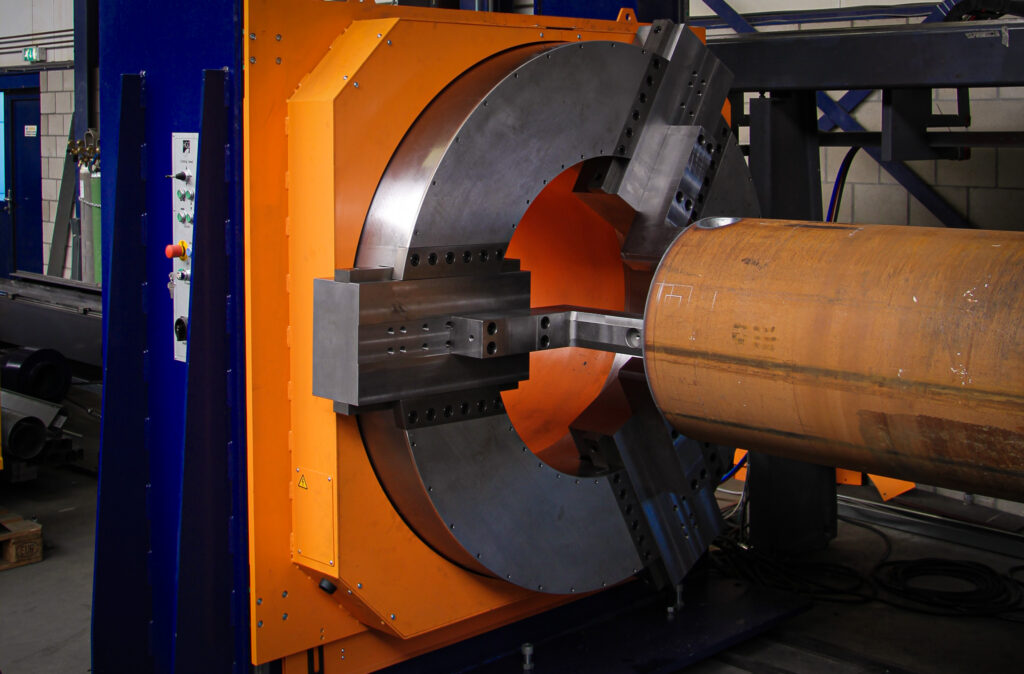
Robust self-centering three-jaw chuck securely positions and rotates pipes
Maintains consistent material positioning throughout the cutting process
Heavy-duty models accommodate pipe weights up to 60 metric tons
Advanced Material Support & Handling
Adjustable pipe trolleys accommodate different pipe diameters and material conditions
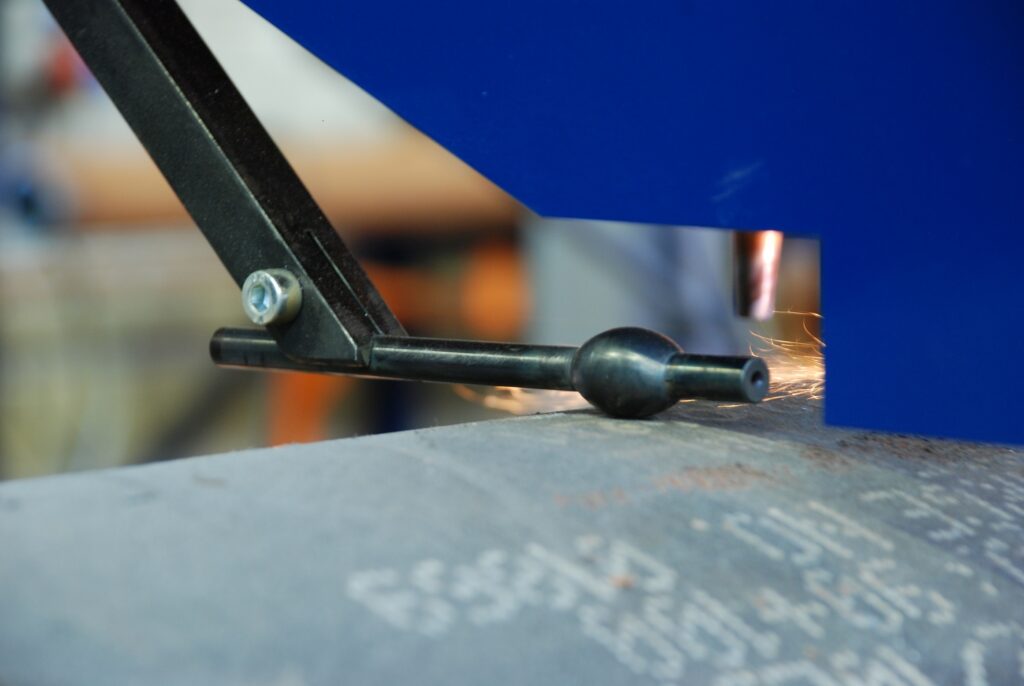
Available rollerball gutter systems provide continuous pipe support
Configurable material handling solutions support efficient shop layouts
Intelligent Cutting Compensation & Pierce Assist
Software-based compensation accounts for material deviations and cutting characteristics
Automated pierce assist improves cutting consistency and consumable life
Advanced cutting routines reduce errors, scrap, and secondary finishing
Integrated Marking & CAD/CAM Software
Plasma marking supports reference lines and part identification
HGG ProCAM integrates with compatible CAD/CAM design systems
Optimized nesting, STEP import, and 3D visualization simplify production preparation
Specialized Heavy-Duty & Vessel Cutting Capabilities
Large-diameter SPC models support offshore and heavy industrial fabrication
Advanced bevel preparations include X- and K-joints and complex transition geometries
Specialized vessel cutting configurations process vessel shells, heads, nozzles, and reinforcement pads
Increase Pipe Fabrication Productivity
Automate time-consuming pipe cutting and profiling operations
Reduce production time for complex intersections and weld preparations
Improve overall throughput and machine utilization
Reduce Manual Labor & Secondary Processing
Minimize manual measuring, layout, cutting, and grinding
Produce accurately profiled parts ready for downstream fitting and welding
Make more efficient use of skilled fabrication personnel
Improve Cutting Accuracy & Fit-Up Quality
Compensate for material deviations using advanced cutting technology
Maintain consistent cutting geometry across complex pipe connections
Reduce fitting adjustments, rework, and assembly delays
Expand Fabrication Capabilities
Process pipes from 2″ to 160″ in diameter, depending on model
Perform advanced saddle cuts, holes, bevels, and specialized weld preparations
Take on demanding structural, offshore, and heavy industrial projects
Reduce Material Waste & Operating Costs
Minimize scrap with optimized nesting and specialized chuck jaw options
Reduce unnecessary cutting and material handling operations
Improve consumable life through intelligent piercing routines
Streamline CAD-to-Production Workflows
Import digital cutting information through compatible CAD/CAM systems
Reduce manual programming and production preparation time
Improve coordination between engineering, cutting, and assembly
Optimize Material Handling & Shop Efficiency
Configure pipe supports and material transport around production requirements
Improve handling of heavy, oversized, and bowed pipes
Reduce bottlenecks between cutting and downstream fabrication operations
Support Long-Term Production Growth
Select machine capacities that match current and future production demands
Expand into larger pipe diameters and more complex cutting applications
Build a scalable foundation for automated pipe fabrication
Click the dropdowns below to view detailed specifications for the SPC Series.
| SPC 1500 – 4000 PT Specifications | |
|---|---|
| Minimum Pipe Diameter | 100 mm (4 inches) |
| Maximum Pipe Diameter | 4000 mm (160 inches) |
| Cutting Processes | Oxy-fuel, Plasma, Marking |
| Maximum Cutting Angle | 70 degrees |
| CAD Connection | Supported |
| SPC 1500 – 4000 VC Specifications | |
|---|---|
| Minimum Pipe Diameter | 100 mm (4 inches) |
| Maximum Pipe Diameter | 4000 mm (160 inches) |
| Cutting Processes | Oxy-fuel, Plasma |
| Applications | Pipe and Vessel Head Cutting |
| Features | High Precision Cutting, Time-saving on Layout, Cutting, Fitting & Welding |
| SPC 500 – 1200 PT Specifications | |
|---|---|
| Minimum Pipe Diameter | 500 mm (19.7 inches) |
| Maximum Pipe Diameter | 1200 mm (47.2 inches) |
| Cutting Processes | Oxy-fuel, Plasma |
| Features | High Precision Cutting, Versatile for Various Materials, Sizes, and Wall Thicknesses |
| Customization Options | Available to Meet Specific Needs and Requirements |
| SPC 660 – 1200 RB Specifications | |
|---|---|
| Minimum Pipe Diameter | 660 mm (26 inches) |
| Maximum Pipe Diameter | 1225 mm (48 inches) |
| Cutting Processes | Oxy-fuel, Plasma |
| Features | Uninterrupted Material Flow, Floating Chuck for Rotation Control |
| Maximum Cutting Angle | 70 degrees |
A: The main differences are pipe diameter capacity, material weight capacity, and intended fabrication applications.
The SPC 500–1200 PT models are designed for versatile pipe cutting applications, processing pipe diameters from 2″ up to 48″ depending on the selected model. They are ideal for structural steel fabrication, industrial piping, shipbuilding, and general pipe profiling.
The SPC 1500–4000 PT models are engineered for larger and heavier applications, accommodating pipes up to 160″ in diameter and material weights up to 60 metric tons on suitable configurations.
These heavy-duty machines are particularly well suited for offshore structures, large industrial piping, energy projects, and heavy fabrication.
Both machine families offer advanced CNC profiling, plasma and oxy-fuel cutting, complex beveling, and CAD/CAM integration.
A: The SPC Series performs a wide range of precision 3D pipe cutting and profiling operations, including:
Straight and angled end cuts
Saddle cuts and pipe intersections
Branch connections
Hillside and elliptical holes
Slot holes and tapered cuts
X- and K-bevel weld preparations
Complex transition geometries
Reinforcement pad preparations
Plasma marking and layout references
These capabilities allow fabricators to produce complex pipe components with reduced manual cutting, fitting, and grinding.
The SPC Series is especially valuable for structural and offshore applications where accurately profiled pipe connections are essential.
A: Yes. The SPC Series supports plasma and oxy-fuel cutting technologies for processing a broad range of pipe materials and wall thicknesses.
Published machine capabilities include wall thicknesses from 3 mm to 150 mm and cutting angles up to 70°, depending on the selected configuration and cutting process.
The machines can produce advanced weld preparations, including X-bevels, K-bevels, and complex transition geometries used in heavy structural and offshore fabrication.
Plasma cutting provides efficient processing of electrically conductive materials, while oxy-fuel cutting is particularly effective for thicker carbon steel applications.
Bramac Machinery can help determine the appropriate cutting technology for your material thicknesses and weld preparation requirements.
A: The SPC Series combines precise CNC-controlled movements, advanced torch positioning, and intelligent cutting compensation to maintain consistent cutting quality.
The patented biaxial cutting head provides accurate torch rotation, tilt, and positioning for complex 3D geometries.
A robust self-centering three-jaw chuck securely holds and rotates the pipe, while adjustable support systems help accommodate material deviations and bowing.
Software-based cutting compensation further improves accuracy by accounting for differences between theoretical and actual material geometry.
These capabilities help produce more consistent pipe intersections, improve weld fit-up, and reduce secondary grinding and fitting adjustments.
A: The SPC Series includes several technologies designed to improve material utilization and reduce production costs.
Available long-jaw and zero-scrap jaw configurations allow cutting closer to the end of the pipe, minimizing unused material.
HGG ProCAM nesting software helps optimize the placement of parts along available pipe lengths, further reducing scrap.
Automated pierce assist and specialized plasma cutting routines help protect cutting consumables and maintain consistent cutting quality.
By reducing manual layout, cutting errors, grinding, and material waste, the SPC Series helps improve overall fabrication efficiency and operating costs.
A: The SPC Series offers configurable pipe handling systems designed to support different pipe diameters, weights, and production requirements.
Available options include:
Adjustable pipe trolleys
Rollerball gutter systems
Heavy-duty pipe support equipment
Configurable material loading and unloading solutions
Specialized handling arrangements for oversized pipes
Pipe trolleys can be positioned along the material to provide support where needed and help compensate for bowed or distorted pipes.
Rollerball gutter systems provide continuous support along the pipe length and can improve material movement and finished-part handling.
The appropriate configuration depends on pipe dimensions, material weight, production volume, and facility layout.
A: Yes. The SPC Series integrates with HGG ProCAM software to streamline programming and transfer digital cutting information into production.
Compatible CAD/CAM platforms include:
Tekla Structures
SDS2
AutoCAD
AVEVA
CADMATIC
ShipConstructor
FORAN
STRUMIS
M-Suite
PypeServer
Additional compatible systems
HGG ProCAM supports 3D visualization, optimized nesting, predefined cutting shapes, and efficient production preparation.
These capabilities help reduce manual programming, improve material utilization, and maintain consistency between engineering designs and finished components.
Specific file formats and integration options should be confirmed for the selected software configuration.
A: Selecting the appropriate SPC machine depends on the size and weight of the pipes you process, your required cutting operations, and your overall production goals.
Important considerations include:
Minimum and maximum pipe diameters
Pipe wall thickness and material specifications
Maximum pipe weight and length
Required cutting and beveling geometries
Plasma versus oxy-fuel cutting requirements
Daily or monthly production volume
Material loading and unloading requirements
CAD/CAM software compatibility
Available facility space and layout
Future production capacity requirements
The SPC 500–1200 PT range is ideal for versatile structural and industrial pipe cutting, while the SPC 1500–4000 PT range is designed for large-diameter, heavy-duty applications.
Specialized SPC vessel cutting configurations may also be appropriate for pressure vessel manufacturers requiring automated processing of shells, heads, nozzles, and reinforcement pads.
Bramac Machinery can review your applications, material specifications, and production requirements to help identify the most effective SPC machine configuration for your operation.

