High-Productivity CNC Plasma Profile Cutting Line for Shipbuilding & Steel Fabrication
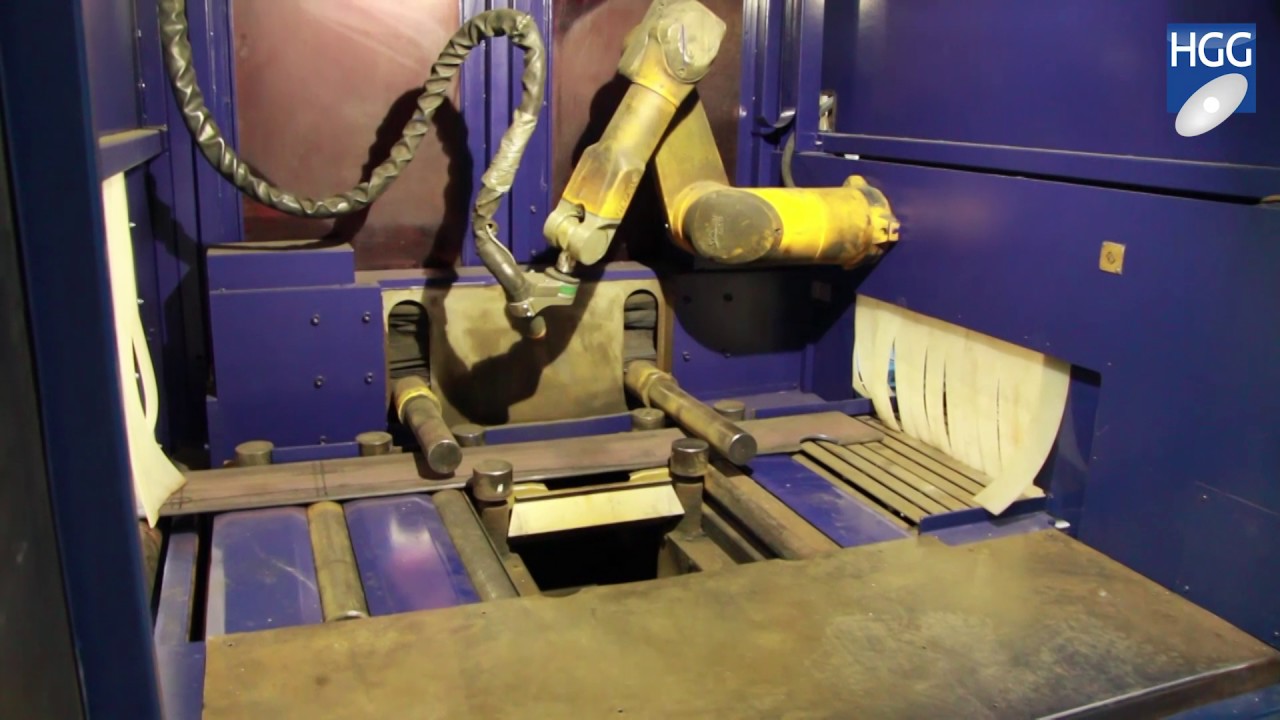
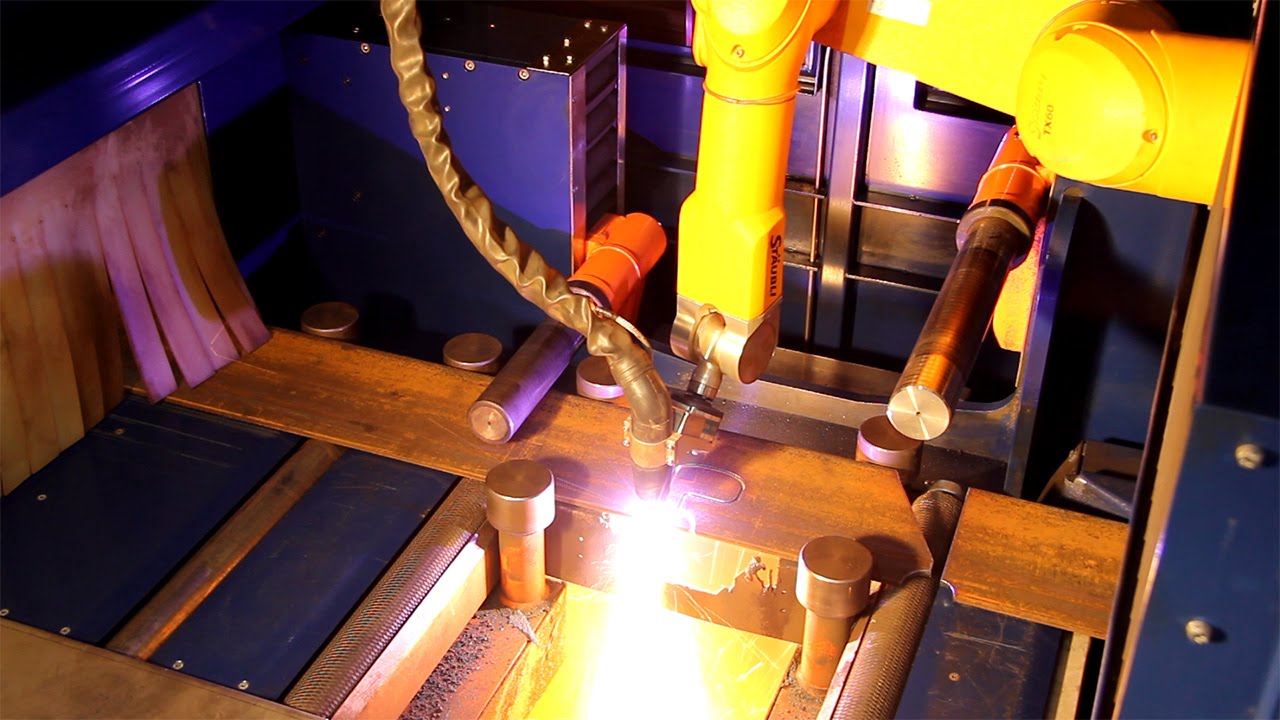
The HGG PCL 600 is a high-performance CNC plasma profile cutting line engineered for automated processing of structural steel profiles used in shipbuilding and marine fabrication. Designed for demanding, high-volume production environments, the PCL 600 combines precision plasma cutting, advanced CAD/CAM integration, automated marking, and optional edge treatment into one efficient production solution. Its ability to process a wide range of shipbuilding profiles while reducing manual cutting, layout, and finishing operations helps shipyards improve productivity, maintain consistent part quality, and streamline steel fabrication workflows.
The PCL 600 is an advanced CNC plasma profile cutting line developed for shipyards and marine steel fabricators that require high production output, precision cutting, and efficient material processing. Built on proven 3D profiling technology, the machine automates the cutting of commonly used shipbuilding profiles while integrating additional fabrication processes to minimize manual labor and improve production efficiency.
Designed to handle the demanding requirements of medium- to large-sized shipyards, the PCL 600 uses high-speed plasma cutting technology to produce accurately profiled steel components for hull construction, stiffeners, structural reinforcements, and other marine applications. Its automated cutting routines help reduce processing time while producing consistent components prepared for downstream fabrication and assembly.
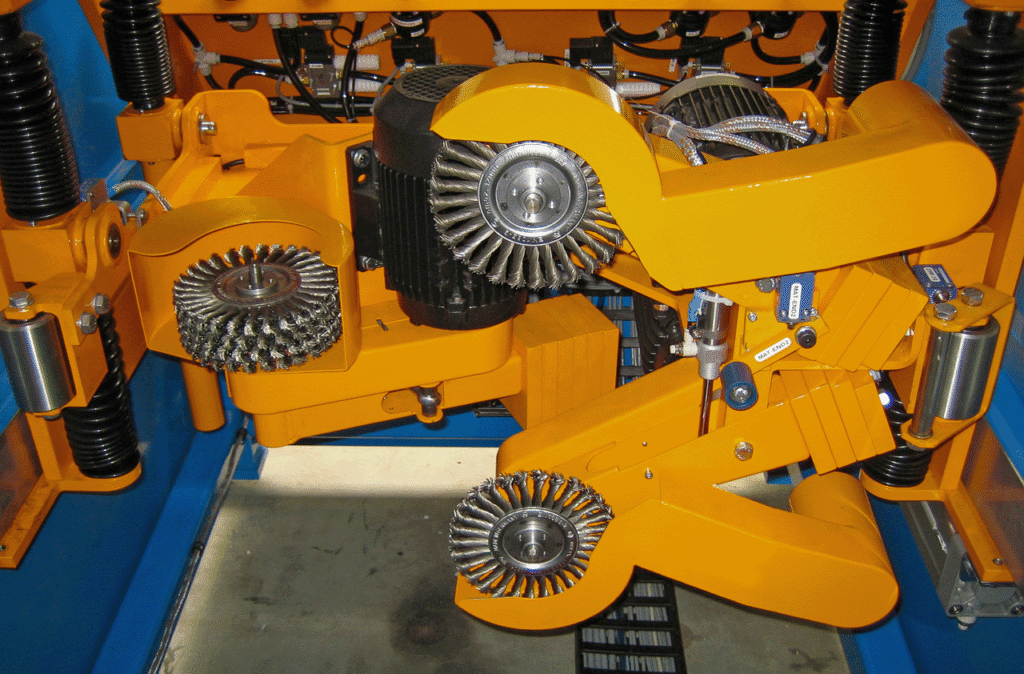
Beyond conventional profile cutting, the PCL 600 can be configured with marking and edge treatment systems that support more complete material processing. Available technologies include automated wire brush cleaning, shot blast cleaning, and edge rounding to improve edge conditions and prepare profiles for subsequent coating and fabrication operations.
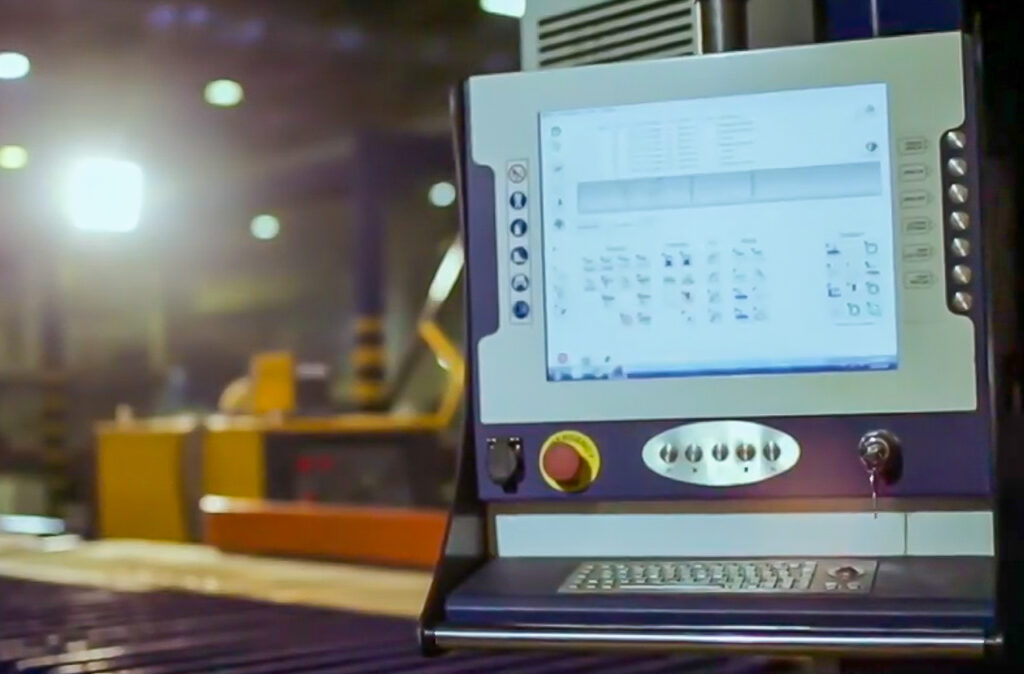
Advanced CAD/CAM integration allows cutting information to be transferred directly from compatible digital design systems, minimizing manual programming and reducing production preparation time. Combined with optimized nesting, STEP file import, and intuitive machine controls, the PCL 600 provides a comprehensive solution for shipyards looking to increase capacity, reduce material waste, and modernize their structural steel production.
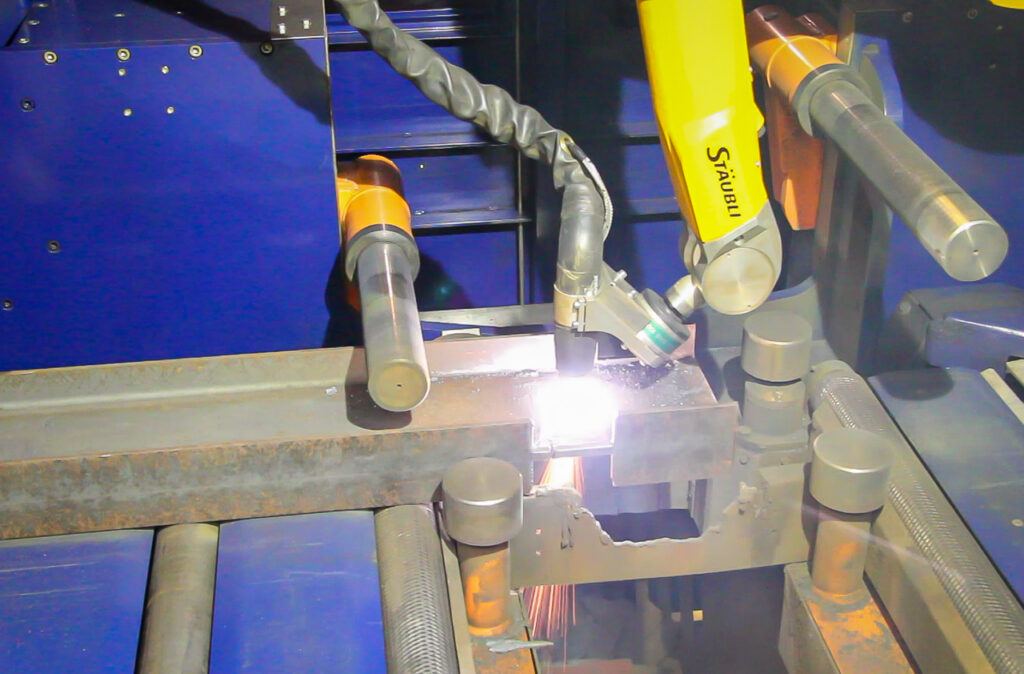
High-Productivity Robotic Profile Cutting
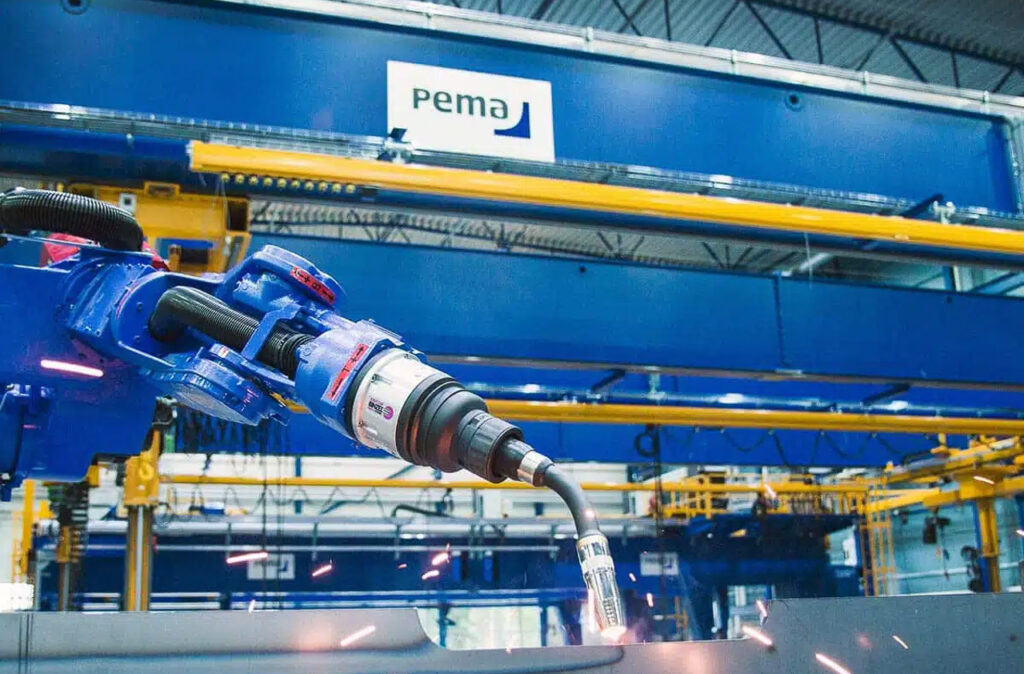
Six-axis robotic cutting system designed for high-volume shipbuilding production
Performs complex 3D profile cuts, bevels, and weld preparations
Intelligent cutting routines minimize interruptions between production cycles
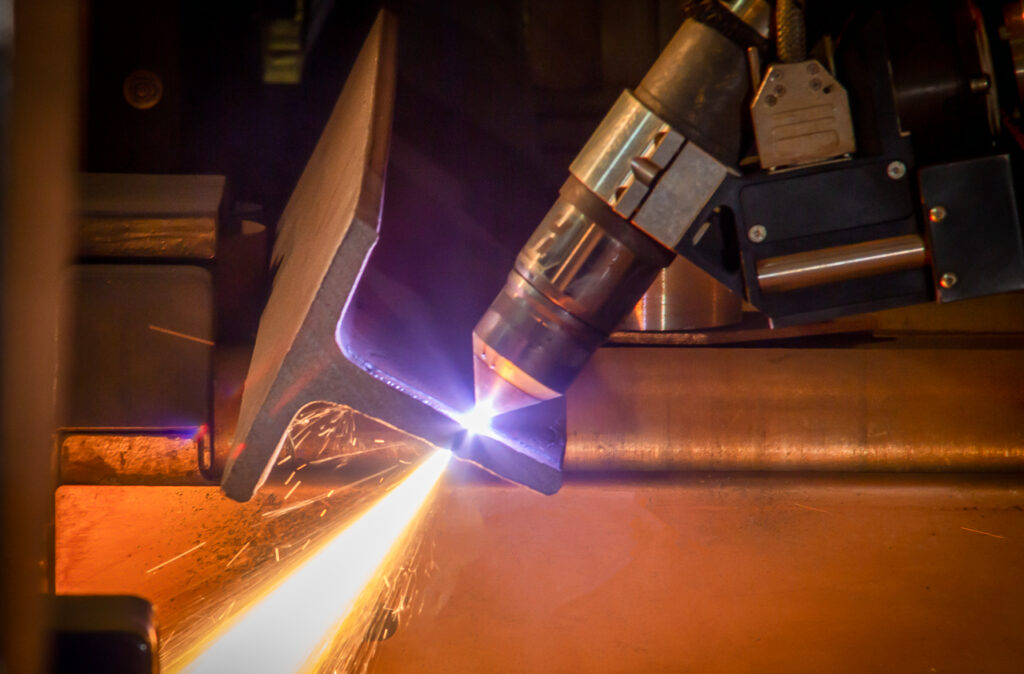
Precision Plasma Cutting Technology
Supports Hypertherm and Kjellberg plasma cutting systems
Produces accurate end cuts, cutouts, holes, and complex profile geometries
Advanced cutting routines compensate for plasma cutting characteristics
Advanced Profile Measurement & Alignment
Eight precision measurement rollers monitor profile positioning and alignment
Detects bowed, bent, or misaligned material during processing
Automated compensation helps maintain consistent cutting accuracy
Multi-Profile Cutting Versatility
Processes flat bars, bulb flats, T-bars, angles, channels, and other shipbuilding profiles
Supports complex angled cuts and bevel preparations
Handles a wide range of stiffener geometries in one production line
Integrated Edge Cleaning Options
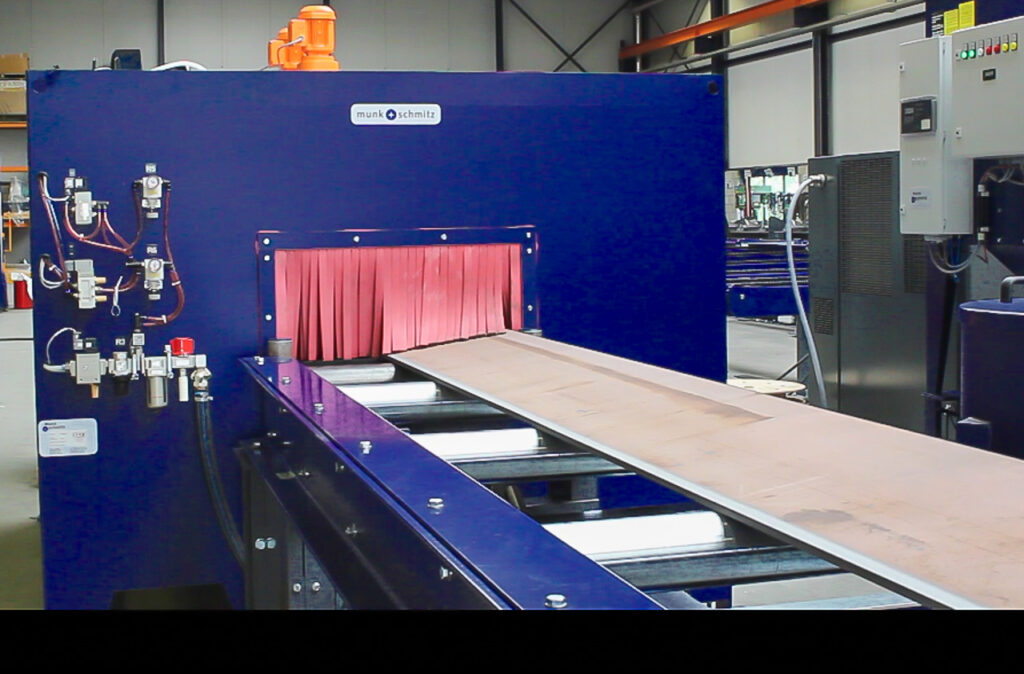
Available wire brush and shot blast cleaning systems
Cleans three faces of structural profiles to remove welding-zone contaminants
Helps prepare components for efficient downstream welding
Advanced Marking Capabilities
Plasma marking for layout and text identification
Optional inkjet marking for part numbers, reference lines, and bend lines
Supports accurate positioning, assembly, and material identification
HGG ProCAM Software Integration
Connects with leading shipbuilding CAD/CAM systems, including AVEVA, CADMATIC, ShipConstructor, and FORAN
Supports STEP file import, 3D visualization, and optimized nesting
Simplifies programming and transfers cutting information directly to production
Automated Material Handling & Sorting
Integrated material handling supports continuous profile processing
Intelligent nesting and sorting routines improve outfeed efficiency
Configurable outfeed solutions accommodate different production requirements
Maximize Shipyard Production Efficiency
Automate repetitive profile cutting and preparation operations
Process large volumes of shipbuilding stiffeners with minimal interruptions
Increase overall production throughput and equipment utilization
Reduce Manual Fabrication & Labor Costs
Eliminate time-consuming manual measuring, cutting, and layout operations
Reduce secondary grinding, marking, and material handling
Improve labor efficiency while maintaining consistent production quality
Improve Cutting Accuracy & Consistency
Automatically compensate for material alignment and profile deviations
Produce repeatable cuts, bevels, and weld preparations
Reduce fit-up adjustments and rework during assembly
Streamline Welding Preparation
Integrate optional edge cleaning directly into the production line
Remove contaminants from profile surfaces before welding
Support faster, more consistent downstream welding operations
Reduce Material Waste & Processing Costs
Optimize part placement through advanced nesting software
Minimize scrap and improve raw material utilization
Reduce unnecessary cutting operations and production downtime
Simplify CAD-to-Production Workflows
Import cutting data from compatible shipbuilding CAD/CAM platforms
Reduce manual programming and production preparation time
Improve coordination between engineering, cutting, and assembly
Improve Material Flow & Production Organization
Combine cutting, marking, cleaning, and sorting in one integrated line
Configure outfeed and handling systems around existing shop layouts
Reduce bottlenecks between profile processing and downstream operations
Support Long-Term Shipyard Growth
Expand production capacity for demanding shipbuilding projects
Adapt to changing profile types, cutting requirements, and production volumes
Establish a scalable foundation for automated marine steel fabrication
Click the dropdowns below to view detailed specifications for the PCL 600.
| PCL 600 Profile Cutting Line Specifications | ||
|---|---|---|
| Supported Profile Types and Dimensions | ||
| Profile Type | Dimensions (Min – Max in mm) | Dimensions (Min – Max in inches) |
| Bulb Flat | 100 x 55 – 420 x 220 | 4 x 2.17 – 16.54 x 8.66 |
| Angle | 70 x 25 – 420 x 150 | 2.76 x 0.98 – 16.54 x 5.91 |
| Flat Bar | 100 x 50 – 550 x 200 | 3.94 x 1.97 – 21.65 x 7.87 |
| T-bar | 50 – 220 | 1.97 – 8.66 |
| Channel | 75 x 50 – 550 x 150 | 2.95 x 1.97 – 21.65 x 5.91 |
| Beam | 60 – 430 | 2.36 – 16.93 |
| Strip | 60 x 6 – 550 x 30 | 2.36 x 0.24 – 21.65 x 1.18 |
| Key Features | ||
| Cutting Technology | Advanced high-speed plasma cutting | |
| Software Integration | Compatible with CAD/CAM systems | |
| Profile Detection | Automated profile detection for accuracy | |
| Material Handling | Streamlined handling for faster processing | |
| Applications | Ideal for shipbuilding, construction, and offshore engineering | |
| Operation | User-friendly interface with minimal training required | |
A: The PCL 600 is designed to process the structural steel profiles most commonly used in shipbuilding and marine fabrication.
Supported profile types include:
Flat bars
Bulb flats
T-bars
Equal and unequal angles
Structural channels
Shipbuilding stiffeners and reinforcement profiles
The machine performs complex 3D cutting operations across a wide range of profile geometries, making it ideal for processing components used in ship hulls, decks, bulkheads, and structural reinforcements.
Profile size capacities vary depending on the cross-sectional shape, with supported dimensions reaching up to 550 mm (approximately 21⅝”) in certain profile categories.
A: The PCL 600 combines advanced robotic motion with precision plasma cutting technology to perform a wide range of structural profile cutting operations.
Its capabilities include:
Straight and angled end cuts
Complex 3D profile cutting
Precision holes and cutouts
Bevel cutting and weld preparations
Stiffener end connections
Custom cutting geometries
Plasma layout and identification marking
Advanced cutting routines allow the machine to process complex shapes directly from digital designs, reducing manual cutting and secondary fabrication requirements.
The PCL 600 is especially effective for shipyards producing large quantities of accurately cut stiffeners and structural reinforcement components.
A: The PCL 600 uses an advanced material measurement and alignment system to compensate for variations in structural steel profiles during processing.
Eight precision measurement rollers monitor the position of the material and identify misalignment, bowing, or bending that could affect cutting accuracy.
The machine uses this information to adjust the cutting process and maintain consistent results.
Key advantages include:
Improved material positioning
Compensation for bowed or bent profiles
More accurate end cuts and bevel preparations
Consistent part dimensions across production runs
Reduced fitting and assembly adjustments
Less material waste caused by cutting errors
This system is particularly valuable in shipbuilding, where large quantities of stiffeners must meet precise dimensional and assembly requirements.
A: The PCL 600 is engineered to maximize production efficiency by combining automated robotic cutting, intelligent nesting, and continuous material handling.
Unlike traditional fabrication processes that require repeated manual cutting, measuring, marking, and sorting, the PCL 600 automates these operations within one integrated production line.
Productivity advantages include:
High-speed robotic plasma cutting
Reduced manual cutting and preparation
Intelligent cutting sequences
Simultaneous cutting and material handling operations
Automated sorting of completed components
Reduced interruptions between cutting cycles
Optimized nesting routines also allow smaller components to be grouped for efficient outfeed, minimizing unnecessary robot movements and waiting time.
For shipyards processing high volumes of structural profiles, these capabilities can significantly increase output while reducing labor requirements.

A: The PCL 600 can be equipped with integrated edge cleaning equipment to prepare structural profiles for downstream welding operations.
Available cleaning technologies include:
Wire brush cleaning
Shot blast cleaning
These systems are designed to clean three faces of the profile, removing contaminants from areas that will be welded.
Integrated edge cleaning helps:
Improve weld preparation consistency
Reduce manual cleaning and grinding
Support faster automated welding
Improve welding quality
Reduce additional material handling
By combining profile cutting and edge cleaning within one production line, the PCL 600 helps shipyards deliver more consistently prepared components to downstream welding stations.
A: The PCL 600 supports several marking methods designed to simplify material identification, assembly, and production tracking.
Available marking capabilities include:
Plasma marking
Inkjet text and identification marking
Reference line marking
Bend line marking
Part identification and traceability information
Inkjet marking can be used to apply part numbers, reference lines, and inverse bend lines directly to structural profiles.
These markings help fabrication teams identify components, position parts accurately, and reduce manual layout work.
The appropriate marking configuration depends on production requirements, material conditions, and downstream fabrication processes.
A: Yes. The PCL 600 uses HGG ProCAM software to connect digital shipbuilding designs with automated profile cutting operations.
The software supports integration with leading CAD/CAM platforms used throughout the marine and structural steel industries.
Compatible software ecosystems include:
AVEVA
CADMATIC
ShipConstructor
FORAN
Bocad
AutoCAD
Tekla Structures
Additional compatible CAD/CAM systems
HGG ProCAM also provides:
STEP file import
3D part visualization
Optimized nesting
Predefined cutting macros
Production preparation tools
Direct transfer of cutting data to the machine
These capabilities reduce manual programming, improve material utilization, and help maintain consistency between engineering designs and finished components.
A: The PCL 600 is an excellent choice for shipyards and marine steel fabricators that require high-volume cutting of stiffeners and structural profiles.
When evaluating the machine, important considerations include:
Types and sizes of structural profiles being processed
Daily, monthly, or annual production requirements
Required cutting geometries and weld preparations
Existing manual cutting and marking operations
CAD/CAM software compatibility
Edge cleaning and marking requirements
Material handling and outfeed needs
Available facility space and production layout
The PCL 600 is particularly well suited for medium- to large-sized shipyards looking to improve profile processing efficiency, reduce manual fabrication, and support more automated welding and assembly operations.
Bramac Machinery can review your production requirements, profile specifications, and facility layout to help determine the most effective PCL 600 configuration for your operation.